Dig & Clean Museum Guide: Professional Tips for Finding, Cleaning, and Displaying Rare Treasures
Master the museum in Dig & Clean! Learn how to find rare treasures, upgrade your Amethyst Shovel, and maintain a world-class collection in Roblox.
Are you ready to turn your humble beach finds into a world-class exhibition that leaves other players in awe? Understanding the Dig & Clean museum guide is the first step toward becoming a master curator in the hit Roblox simulation by Squeaky Clean!. This Dig & Clean museum guide will walk you through everything from the first beep of your metal detector to the final polish on a rare artifact at your Workstation.
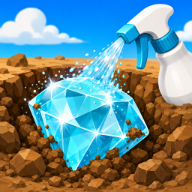
In the world of Dig & Clean, the core loop is simple yet addictive: you scan for buried junk, dig it up with specialized shovels, and use high-pressure spray bottles to reveal the hidden value beneath the grime. However, the true end-game lies in the museum. Whether you are hunting for Rare Sunglasses or trying to complete a set of historic artifacts, the way you manage your collection determines your success and your cash flow.
Mastering the Dig & Clean Museum Guide Loop
To excel in this game, you must understand the relationship between your gear and your museum. You can’t find the best items with a basic plastic spade. You need to reinvest your earnings into better technology.
The process begins on Starter Island. You use your metal detector to find "hotspots." Once the signal is strong, you dig. What comes out is usually a "Dirty Item." This is where the Workstation comes in. By spraying the item clean, you reveal its true identity. At this point, you have a choice: sell the item for immediate cash or place it in your museum to generate passive income or complete your collection logs.
Essential Gear for the Aspiring Curator
Before you can worry about museum layouts, you need the right tools. The community often discusses the jump from basic tools to high-tier gear like the Amethyst Shovel. Below is a breakdown of the typical gear progression you will encounter.
| Tool Type | Name | Purpose | Best For |
|---|---|---|---|
| Shovel | Starter Shovel | Basic digging on sand. | New players on Starter Island. |
| Shovel | Amethyst Shovel | High-speed digging with better durability. | Mid-game farming for rare finds. |
| Spray Bottle | Basic Sprayer | Slow cleaning of common dirt. | Initial items like rusted cans. |
| Spray Bottle | Power Washer | Rapidly reveals high-tier treasures. | Cleaning Rare Sunglasses and artifacts. |
| Metal Detector | Standard Scanner | Locates basic buried objects. | Learning the "beep" patterns. |
| Metal Detector | Pro-Pulse Sensor | Pinpoints deep-buried rare items. | Finding items for the back of the museum. |
The Art of Collection Maintenance
While the game automates much of the cleaning process via the Workstation, veteran players often roleplay the "Conservation" aspect to make their museum stand out. Drawing inspiration from professional collection housekeeping, you should treat your virtual museum as a living space.
As mentioned in this Dig & Clean museum guide, "housekeeping" isn't just about the initial spray; it’s about how you organize and present your finds. In real-world conservation, experts use specific schedules to ensure items don't degrade. While your Roblox items won't literally rot, keeping a "clean" aesthetic and organized displays helps you track what you still need to find.
Professional Cleaning Protocols (Roleplay Tips)
If you want to take your museum to the next level, consider these "maintenance" steps inspired by professional museum standards. These are great for players who enjoy the simulation and roleplay aspects of the official Dig & Clean Roblox page.
| Frequency | Task | Benefit |
|---|---|---|
| Daily | Clear "Junk" from Inventory | Keeps your workspace focused on high-value treasures. |
| Weekly | Reorganize Display Cases | Ensures your newest, rarest finds are in high-traffic areas. |
| Bi-Weekly | Upgrade Workstation Parts | Increases the speed at which you can process "Dirty Finds." |
| Monthly | Site Walkthrough | Check your collection log to see which rare sets are incomplete. |
Treasure Categories and Rarities
Not every item you dig up is a diamond. Most of what you find will be common junk, but following the Dig & Clean museum guide strategies will help you identify when you’ve struck gold. Items are generally categorized by their material and rarity.
Common vs. Rare Finds
In the current version of the game, players report a wide variety of items. Here are some of the most common categories you will encounter at the Workstation:
- Metal Objects: Often require more "water pressure" to clean. These include rusted coins, old keys, and rare metal sculptures.
- Ceramics & Glass: Fragile-looking items like vases or the elusive Rare Sunglasses. These usually have a high "Museum Value."
- Wood & Organic: Items like old chests or fossilized bone. These are often found in deeper dig sites.
| Item Name | Rarity | Estimated Value (Cleaned) | Museum Buff |
|---|---|---|---|
| Rusted Can | Common | $5 - $10 | Low |
| Old Boot | Common | $8 - $15 | Low |
| Rare Sunglasses | Rare | $150 - $300 | Medium |
| Ancient Coin | Rare | $250+ | High |
| Amethyst Geode | Ultra Rare | $1,000+ | Very High |
Advanced Museum Management: Dealing with "Dust"
In the real world, dust is a "hidden menace" for museums, composed of skin cells, fibers, and dirt. In Dig & Clean, "dust" is essentially the grime that covers your items before they are processed. To be an efficient curator, you need to manage your "cleaning throughput."
Using advanced Dig & Clean museum guide techniques, you should focus on your Workstation's HEPA (High-Efficiency Particulate Air) equivalent—the filter and nozzle upgrades. The faster you can remove the "dust" (grime) from a rare item, the faster you can get it onto the floor and start earning.
Handling Fragile Artifacts
When you find a particularly rare item, the game mechanics might require more precision. Just as real conservators use soft brushes for ceramics and distilled water for glass, you should ensure your Spray Bottle is upgraded to the appropriate level for the island you are on. If you try to clean a high-tier artifact with a low-tier bottle, it will take significantly longer, slowing down your museum's growth.
Hosting Special Events in Your Museum
Once your museum is filled with treasures found using this Dig & Clean museum guide, it’s time to show it off! The Squeaky Clean! group is a great place to find other players to visit your space.
When hosting "Special Events" (inviting friends or top players to view your collection), keep these tips in mind:
- Clear the Entrances: Ensure there is a clear path from the door to your rarest items, like the Amethyst Shovel display or your Rare Sunglasses case.
- Thematic Displays: Group items by type (e.g., a "Maritime" section for anchors and boots, or a "Geology" section for gems).
- Trash Management: In the game, your inventory can get cluttered. Before guests arrive, sell off your duplicate "Common" items so your "Rare" finds stand out.
Why the Museum Matters for Progression
Some players make the mistake of selling everything they find. While this gives you immediate cash for a new metal detector, it hurts your long-term growth. Items placed in the museum often provide a "Passive Income" or "Prestige" boost. This prestige can unlock new islands where even better treasures are buried.
This Dig & Clean museum guide recommends a 70/30 split: Sell 70% of your common junk to fund gear upgrades, and keep 30% of your unique or high-value finds for your museum displays. This ensures you have the cash to buy the Amethyst Shovel while still building a legacy.
Community Reports and Tips
According to player experience and community reports, the spawn rates for rare items can vary based on the time of day and the specific "biome" of the island you are on. For instance, digging near the shoreline often yields more "Glass" category items, whereas digging near rocky outcrops is better for "Metal" and "Gems."
- Tip: If your metal detector is giving a faint signal, try circling the area. The "sweet spot" is often smaller than you think.
- Tip: Don't forget to check under trees! Some of the most valuable "Wood" category items are hidden right beneath the roots.
- Tip: Join the official community to stay updated on new gear releases. The developer, @qurxts, frequently adds new items that can change the museum meta.
Conclusion
Building a legendary museum in Dig & Clean takes patience, the right gear, and a bit of luck. By following the steps in this Dig & Clean museum guide, you can transition from a casual beachcomber to a professional conservator. Keep your shovels sharp, your spray bottles full, and your display cases organized. The next big find is just one "beep" away!
FAQ: Dig & Clean Museum Guide
How do I get the Amethyst Shovel?
The Amethyst Shovel is typically purchased from the in-game gear shop once you have reached a certain level or accumulated enough cash from selling cleaned items. It is highly recommended for its speed and ability to dig in tougher terrain.
Where can I find Rare Sunglasses?
Rare Sunglasses are a random "Rare" tier drop. Community reports suggest they are more frequently found on the Starter Island beach or the second unlockable island. Make sure your spray bottle is upgraded to at least Level 2 to clean them efficiently.
Should I sell my items or put them in the museum?
You should put at least one of every unique item into your museum to complete your collection and earn passive bonuses. Once you have a duplicate, selling it is the best way to earn cash for gear upgrades like better metal detectors.
How do I use this Dig & Clean museum guide to get rich?
The fastest way to wealth is focusing on "Prestige." Fill your museum with high-value items to increase your Prestige level, which unlocks higher-tier islands. These islands contain treasures that sell for significantly more than the items found on Starter Island.
Related Guides
The Ultimate Dig & Clean Cleaning Guide: How to Find and Restore Rare Treasures
Master the art of restoration with our Dig & Clean cleaning guide. Learn shovel progression, spray bottle upgrades, and museum secrets for Roblox.
The Ultimate Dig & Clean Metal Detector Guide: Master the Art of Treasure Hunting
Master the scan-and-clean loop with our Dig & Clean metal detector guide. Learn gear progression, rare find locations, and museum strategies.
Ultimate Dig & Clean Beginner Guide: Master the Art of Treasure Hunting
Master the basics of Roblox Dig & Clean. Learn the best gear progression, cleaning techniques, and museum tips in this comprehensive beginner guide.
Ultimate Dig & Clean Progression Guide: From Starter Beach to Rare Treasures
Master the core loop of Dig & Clean on Roblox with our comprehensive progression guide. Learn how to upgrade gear and find rare museum treasures.